
Je Vous Ai is a fundamental French phrase that translates to “I have [done something] to you” or more naturally in English as “I [verb] you” in the past tense (passé composé). It combines the subject pronoun “je” (I), the indirect/direct object pronoun “vous” (you – formal or plural), and the auxiliary verb “ai” from “avoir” (to have). This construction appears in everyday spoken French to express actions directed toward “you” in the recent past, such as “je vous ai dit” (I told you), “je vous ai vu” (I saw you), or “je vous ai compris” (I understood you / I got you).
Is Je Vous Ai Free or Paid?
Je Vous Ai is not a software, app, service, or commercial product — it’s a core grammatical structure and common expression in the French language. As part of natural French communication and learning, it is completely free to use, study, or practice. No subscriptions, payments, or premium access are required.
Je Vous Ai Pricing Details
Not applicable. Je Vous Ai is a linguistic element rather than a tool or platform, so it has no pricing plans, monthly fees, yearly subscriptions, or tiers.
Also Read-Kuse AI Free, Alternative, Pricing, Pros and Cons
Best Alternatives to Je Vous Ai
Since Je Vous Ai is a standard passé composé construction with the pronoun “vous,” here are comparable French grammar points or learning resources that help master similar polite/plural past-tense expressions:
| Alternative Tool/Resource | Free or Paid | Key Feature | How it compares to JeVous Ai |
|---|---|---|---|
| Duolingo French Lessons | Free (with optional paid Super version) | Gamified drills on passé composé and pronouns | Builds automatic use of structures like je vous ai vu / je vous ai dit through repetition |
| Babbel French Grammar Modules | Paid subscription | Detailed explanations of object pronouns and agreement | Offers in-depth rules for past participle agreement with vous (e.g., vu/vue/vus/vues) |
| Reverso Context | Free (premium optional) | Thousands of real-life example sentences | Displays authentic contexts for jevous ai + verb, helping understand nuance and formality |
| Kwiziest French Exercises | Freemium | Targeted quizzes on pronoun placement and agreement | Focuses on common errors like incorrect auxiliary or participle form in jevous ai constructions |
| Lawless French Grammar Guides | Free | Clear rules on vous agreement in compound tenses | Explains exactly when to add -e/-s to participles after je vousai, with examples |
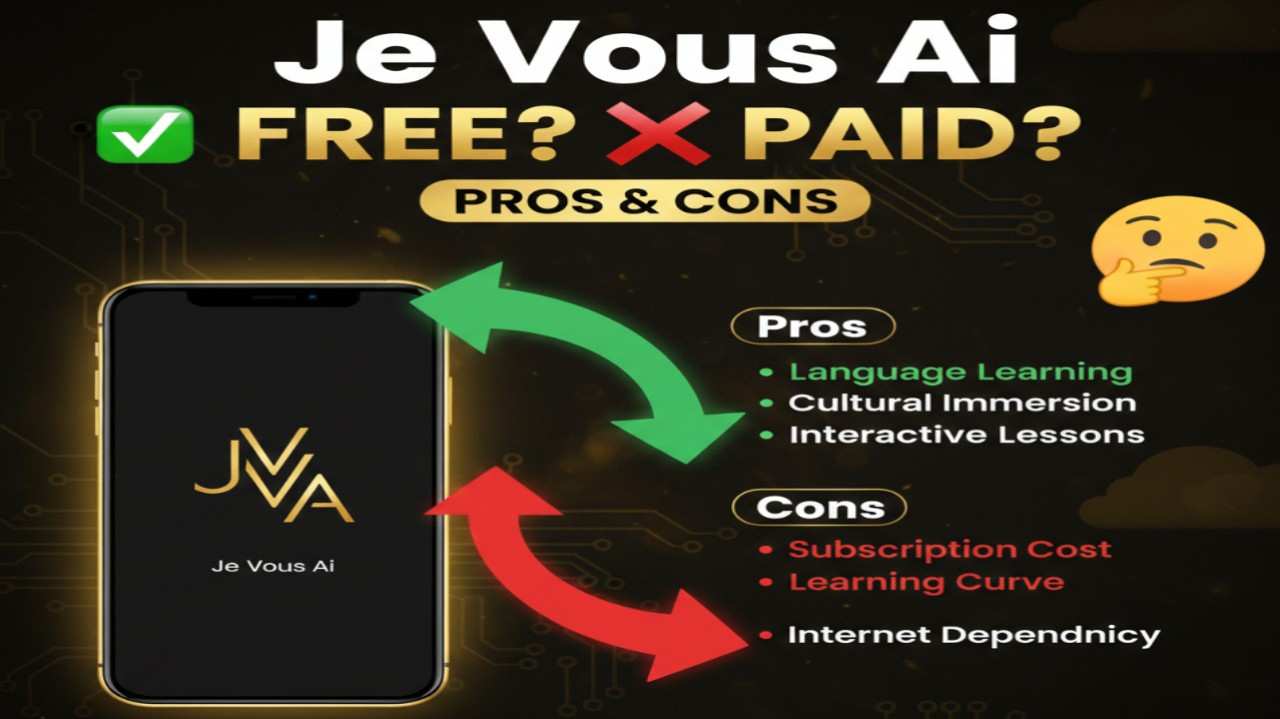
Pros and Cons of Je Vous Ai
Pros:
- Essential for polite or plural “you” in past tense — sounds natural and respectful in conversations
- Versatile across many verbs (dire, voir, comprendre, donner, etc.) for expressing completed actions
- Key building block for mastering passé composé with object pronouns, improving overall fluency
- Free and instantly usable once you learn the pattern — no tools or apps needed
- Helps French sound more authentic, especially in formal situations or when addressing groups
Cons:
- Pronoun placement (before the auxiliary) can confuse beginners compared to simpler structures
- Past participle agreement rules (vu/vue/vus/vues depending on vous context) add complexity
- Easy to confuse with informal “je t’ai” (tu form) or direct object “je l’ai”
- In rapid spoken French, the liaison and blending make it harder for learners to hear clearly
- Requires knowing when “vous” is formal singular vs. plural to apply agreement correctly